
THE MANGER
A journey of faith, hope, and love from Nazareth to the feeding trough.
Nazareth to Bethlehem
A journey of faith, hope, and love.
Nazareth
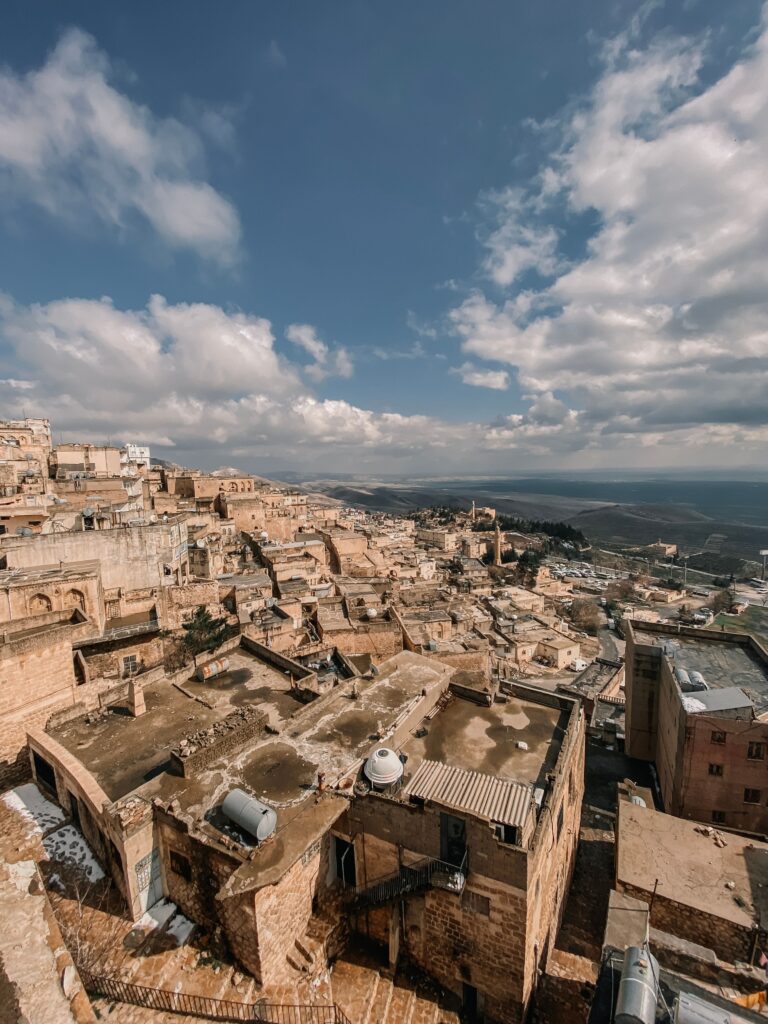
Nazareth was a small hill town of 400 or so. Ordinary enough that later the disciple, Nathan, would ask whether anything good could come from it. Mary was living there when the angel Gabriel told her she would bear a son and call his name Jesus. The promise was not a private secret only. Isaiah had said a virgin would conceive and bear a son, and that he would be called Immanuel, God with us. The town itself carried a quieter prophecy. Matthew says Jesus was raised in Nazareth so that what the prophets spoke would be fulfilled: he would be called a Nazarene. Matthew is believed to be pointing to the prophets as a whole with the word Branch, netzer, in Isaiah 11:1, a shoot from the stump of Jesse. Nazareth was the place the Branch grew up. The hills around it held olive trees and fig trees, the working landscape of a Galilean village. Life was synagogue, trade, family, and the ordinary dust of a town that was not important. Faith began here with a yes from a young woman and a man who chose to walk with her instead of divorcing her. Hope took root in a place no one expected. Love started as obedience in an ordinary house, long before the road south.
Scripture tags: Luke 1:26–38 · Isaiah 7:14 · Matthew 1:23 · Matthew 2:23 · Isaiah 11:1 · John 1:46
The Judean Path
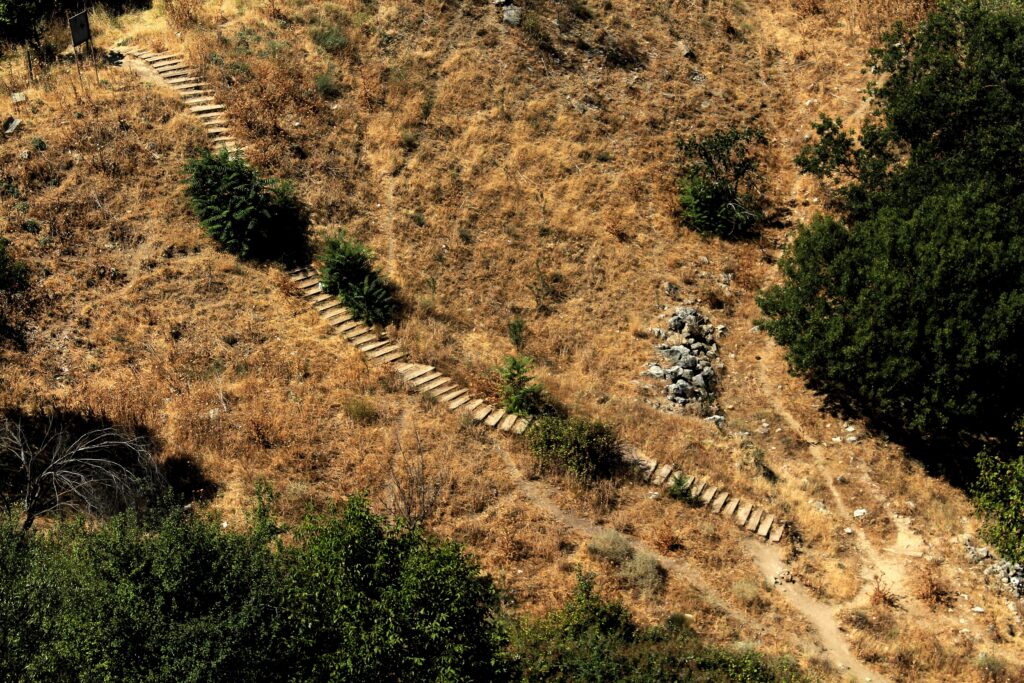
Joseph and Mary left Galilee because a registration ordered by Caesar Augustus sent people to their ancestral towns, and Joseph was of the house and line of David. The road from Nazareth to Bethlehem was roughly 70 miles over the hills through Samaria, or closer to 90 miles if they went the longer way down the Jordan Valley, through Jericho, and up to Jerusalem. Either way it was several days on foot, not an afternoon. A woman late in pregnancy would have needed rest, water, and company. Travelers moved in groups because the roads were not safe alone. The last climb out of the Jordan Valley rises about 3,500 feet in 16 miles. This is the same stretch Jesus later used for the story of the Good Samaritan. The land changed under their feet: olive and fig in the north, then drier valleys, then the ridge of Judah. Luke does not mention a donkey. The church has long pictured one because a woman near birth would likely not have walked every mile. The journey itself was the prophecy in motion. Micah said the ruler would come from Bethlehem. They were walking toward the place the promise named. Faith kept step when the road was long. Hope was a small town still ahead. Love was a husband taking his pledged wife with him, and a God who had already chosen the destination.
Scripture tags: Luke 2:1–5 · Micah 5:2 · 2 Samuel 7:12–16 · Luke 10:30–37
Bethlehem
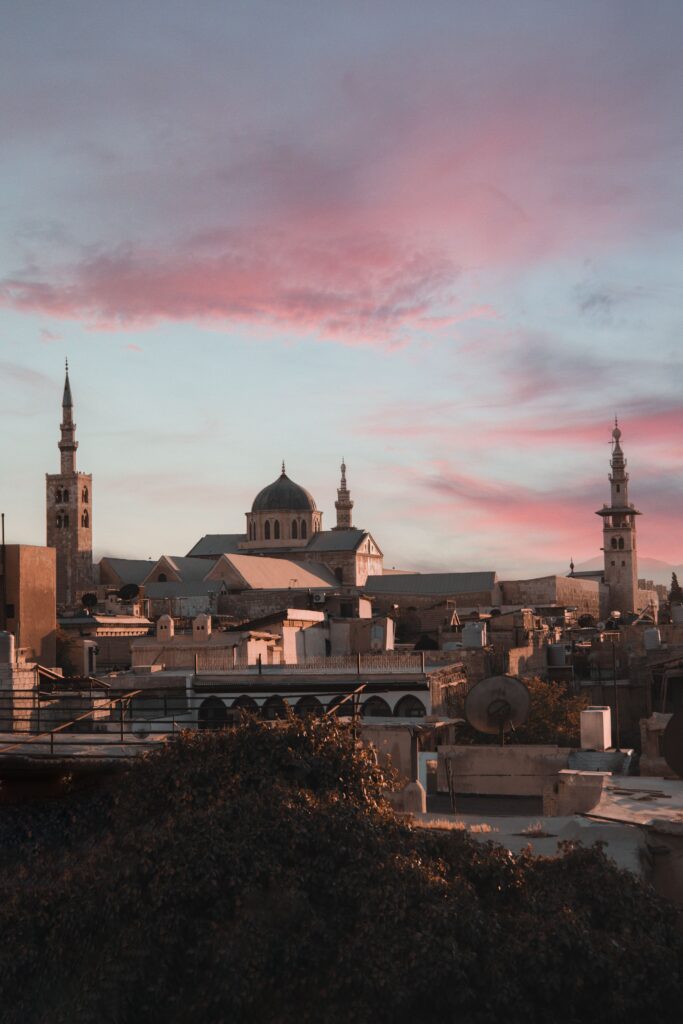
Bethlehem was a hill village about five miles south of Jerusalem, the city of David, small enough that Micah could call it too little to be among the clans of Judah. That was the point of the prophecy. From this overlooked place would come a ruler whose origins were from of old. Joseph’s family was registered here, so this was the door they looked for first. The registration had filled the town. Relatives were home. The guest room of the house they reached was already taken. They were not turned out by a stranger with a no-vacancy sign. They were brought into the main living space of a family house, where the animals’ feeding trough stood. There the child was born, wrapped in strips of cloth, and laid in the manger. Shepherds in the fields nearby were the first to hear. Angels announced a Savior, Christ the Lord, in the city of David. The night that looked ordinary was the night the promise arrived. Faith had walked the road. Hope had a name and a place. Love came low enough to be laid where animals ate.
Scripture tags: Micah 5:2 · Luke 2:4–7 · Luke 2:8–14 · Matthew 2:1 · Isaiah 9:6
Scripture tags: Luke 2:1–5 · Micah 5:2 · 2 Samuel 7:12–16 · Luke 10:30–37
The Inn
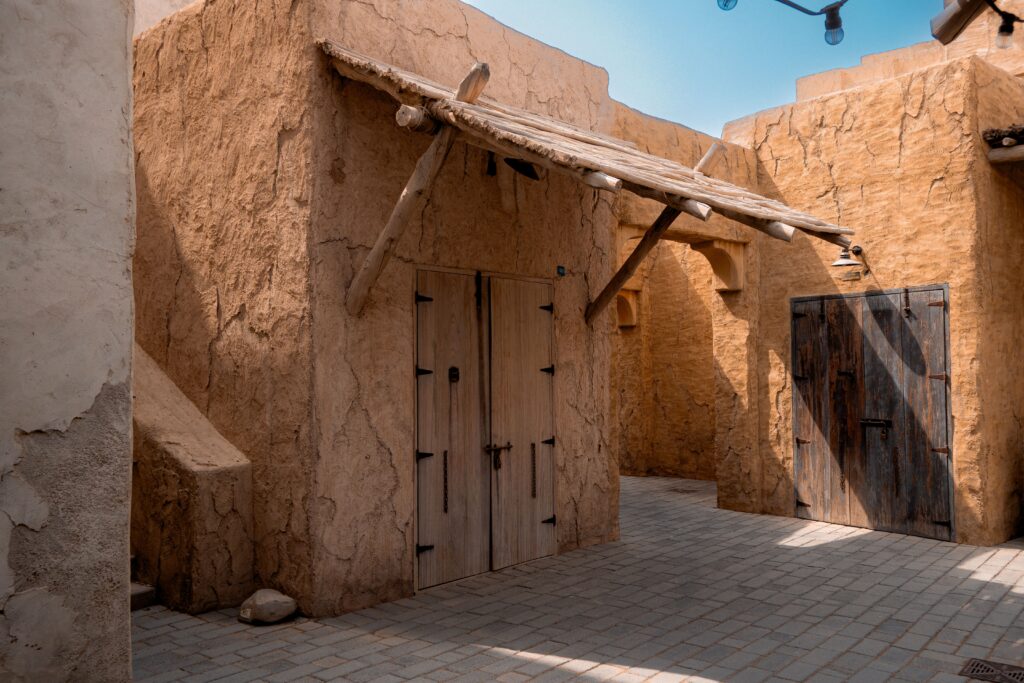
Luke’s word is kataluma, a guest room, not a commercial motel. He uses a different word for a roadside inn in the Good Samaritan story, and he does not use it here. The spare room was full because the registration had brought relatives home. Joseph was looking for space among his own people, not a front desk. There is no innkeeper in the text. The prophecy was not a full house. The prophecy was that the ruler would still come from Bethlehem.
Scripture tags: Luke 2:7 · Luke 22:11 · Luke 10:34 · Micah 5:2
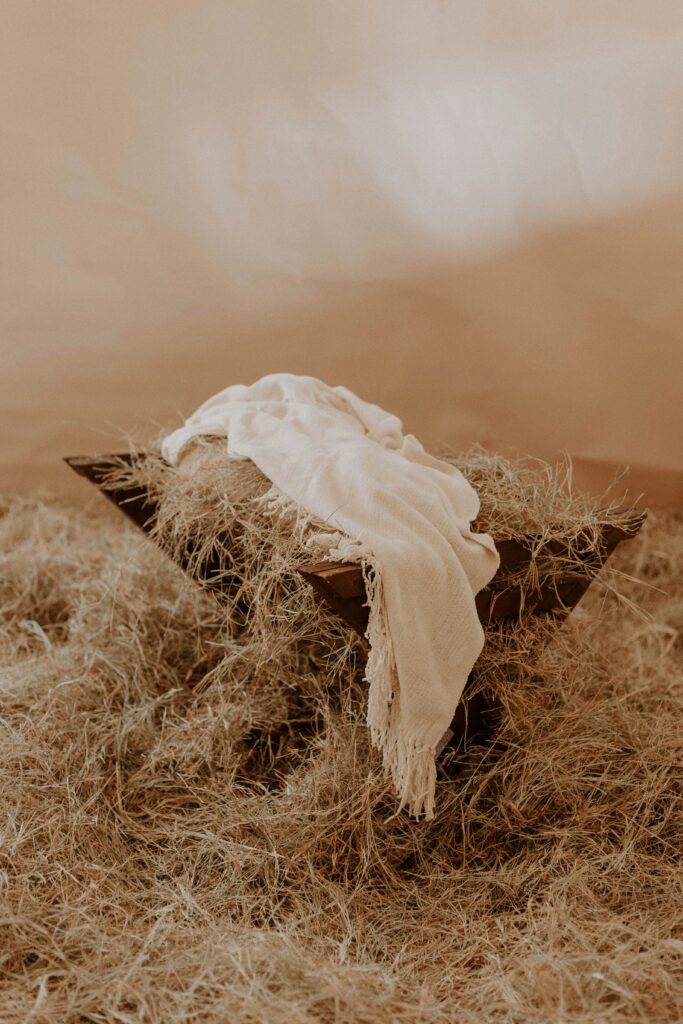
The Manger
A manger was a feeding trough, often stone, set in the lower level of an ordinary house or in the cave the house was built against. It was not a barn down the lane. Animals were brought inside at night for safety and warmth, and the trough stood at the edge of the family’s living space. The child was wrapped in the ordinary strips of cloth used for newborns and laid there because that was the place they had. The lowliness was the point. The King arrived where the animals ate.
Scripture tags: Luke 2:7 · Isaiah 53:2 · Philippians 2:6–8
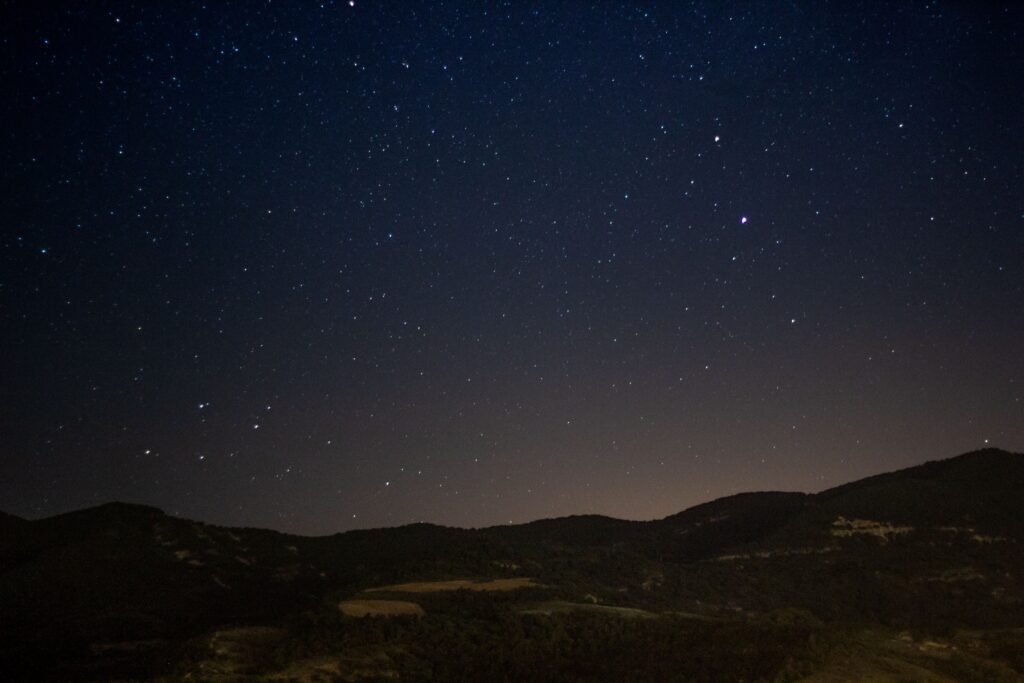
The Starry Night
The sky over Bethlehem did more than decorate the scene. An angel stood before shepherds in the field, and then a company of heaven praised God. Glory to God in the highest, and peace on earth. Later, magi from the east followed a star to the child. Numbers had spoken of a star coming out of Jacob. Isaiah had said the people walking in darkness would see a great light. The night that looked ordinary became the night heaven spoke first to the people a town would not have invited in.
Scripture tags: Luke 2:8–14 · Matthew 2:1–2 · Numbers 24:17 · Isaiah 9:2
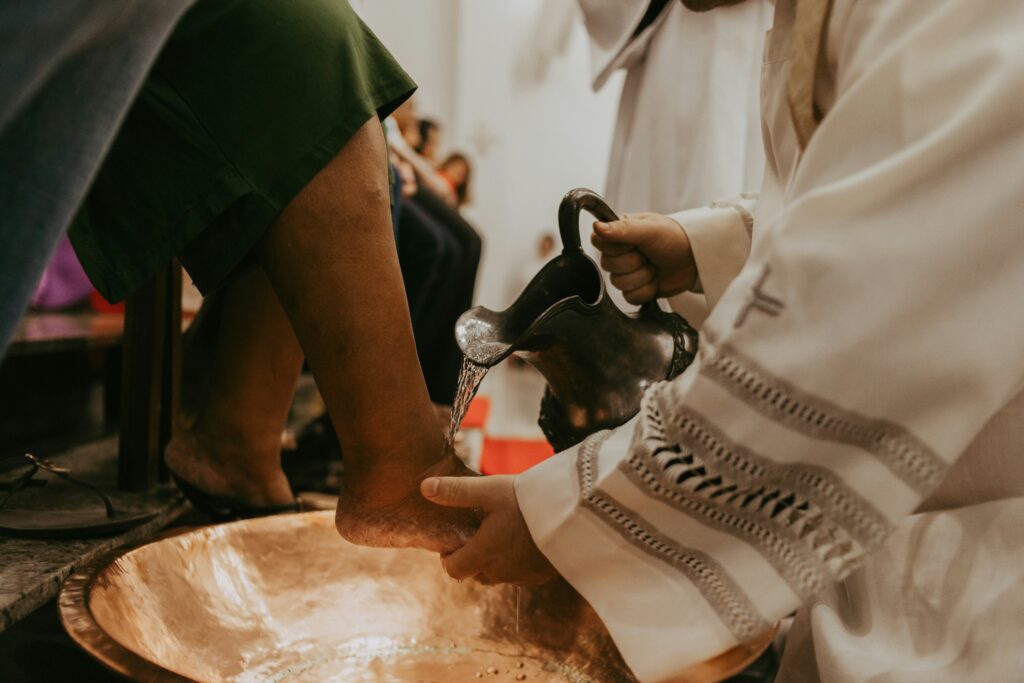
Water, a kiss, and oil
Travelers arrived with dusty feet and open sandals. A basin of water at the door was ordinary welcome, not a luxury. An honored guest was greeted with a kiss and oil for the head. Jesus names all three when a Pharisee omits them: you gave me no water for my feet, no kiss, no oil (Luke 7:44–46). The first Christmas sat inside that culture. A guest under your roof was a guest you received with the ordinary signs of honor.
Scripture tags: Luke 7:44–46 · Genesis 18:4 · John 13:4–5
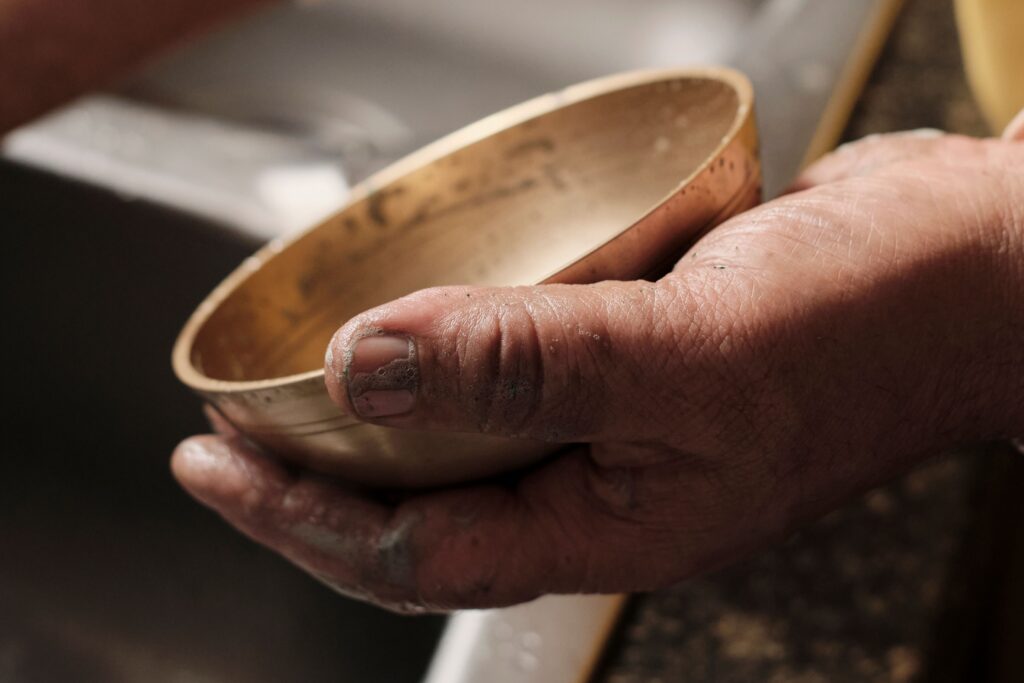
A roof, a meal, and protection
Once a traveler was under your roof, your honor was on them. You fed them, gave them a place to rest, and did not let harm reach them. Abraham’s welcome of strangers — water, rest, then food — was the pattern Israel still told. Job said he would not leave a sojourner in the street. The law told Israel to love the stranger as one of their own. Kin came before strangers, so Joseph looked first for a relative’s door in Bethlehem.
Scripture tags: Genesis 18:2–8 · Job 31:32 · Leviticus 19:33–34 · Luke 2:3–4

Space made for the vulnerable
A woman near birth was not left to the road. Women did not make this trip alone. Birth was attended by the women of the house, and by a midwife when one could be had. Rachel’s child was delivered on the road by a midwife. A full guest room did not mean a kinswoman in labor was turned out. It meant the family made space in the main room, where the feeding trough stood. The first Christmas was hospitality with nothing left to spare.
Scripture tags: Genesis 35:16–17 · Luke 2:7 · Luke 2:8–20
SPOKEN
The virgin shall conceive and bear a son, and shall call his name Immanuel.
Isaiah 7:14
FULFILLED
They shall call his name Immanuel (which means, God with us).
Matthew 1:23
SPOKEN
This is the name by which he will be called: The Lord is our righteousness.
Jeremiah 23:6
FULFILLED
Christ Jesus became to us righteousness. 1 Corinthians 1:30 · In him we become the righteousness of God. 2 Corinthians 5:21
SPOKEN
You are my Son; today I have begotten you. Psalm 2:7
FULFILLED
He will be called the Son of the Most High. Luke 1:32 · He will be called holy — the Son of God. Luke 1:35 · You are my beloved Son. Luke 3:22
SPOKEN
Against the Lord and against his Anointed. Psalm 2:2 · An anointed one, a prince. Daniel 9:25
FULFILLED
We have found the Messiah (which means Christ). John 1:41 · A Savior, who is Christ the Lord. Luke 2:11 · You are the Christ. Matthew 16:16
SPOKEN
His name shall be called Wonderful Counselor, Mighty God, Everlasting Father, Prince of Peace. Isaiah 9:6
FULFILLED
The Gospels do not recite the four titles as a list. The Word was God and became flesh. John 1:1, 14 · He is our peace. Ephesians 2:14 · Another Helper (the same word as counselor). John 14:16
SPOKEN
Your house and your kingdom shall be made sure forever. 2 Samuel 7:16 · On the throne of David. Isaiah 9:7
FULFILLED
Jesus Christ, the son of David. Matthew 1:1 · The throne of his father David. Luke 1:32 · Hosanna to the Son of David. Matthew 21:9
SPOKEN
Behold, your king is coming to you. Zechariah 9:9
FULFILLED
Where is he who has been born king of the Jews? Matthew 2:2 · Jesus of Nazareth, the King of the Jews. John 19:19
SPOKEN
A shoot from the stump of Jesse, and a branch from his roots. Isaiah 11:1 · Behold, the man whose name is the Branch. Zechariah 6:12
FULFILLED
He went and lived in Nazareth so that what was spoken by the prophets would be fulfilled: he would be called a Nazarene. Matthew 2:23
SPOKEN
A star shall come out of Jacob, and a scepter shall rise out of Israel. Numbers 24:17
FULFILLED
We saw his star when it rose and have come to worship him. Matthew 2:2
SPOKEN
The people who walked in darkness have seen a great light. Isaiah 9:2
FULFILLED
The true light, which gives light to everyone, was coming into the world. John 1:9 · I am the light of the world. John 8:12

Gifts
The first gifts in the story are the ones the magi carried: gold, frankincense, and myrrh. Gold for a king, frankincense for worship, myrrh for burial. Later Christmas giving picked up other streams, including Roman winter gift-giving, but the Christian reason has always been those visitors from the east. We give because he was given.
Scripture tags: Matthew 2:11 · Isaiah 60:6
Evergreen Trees
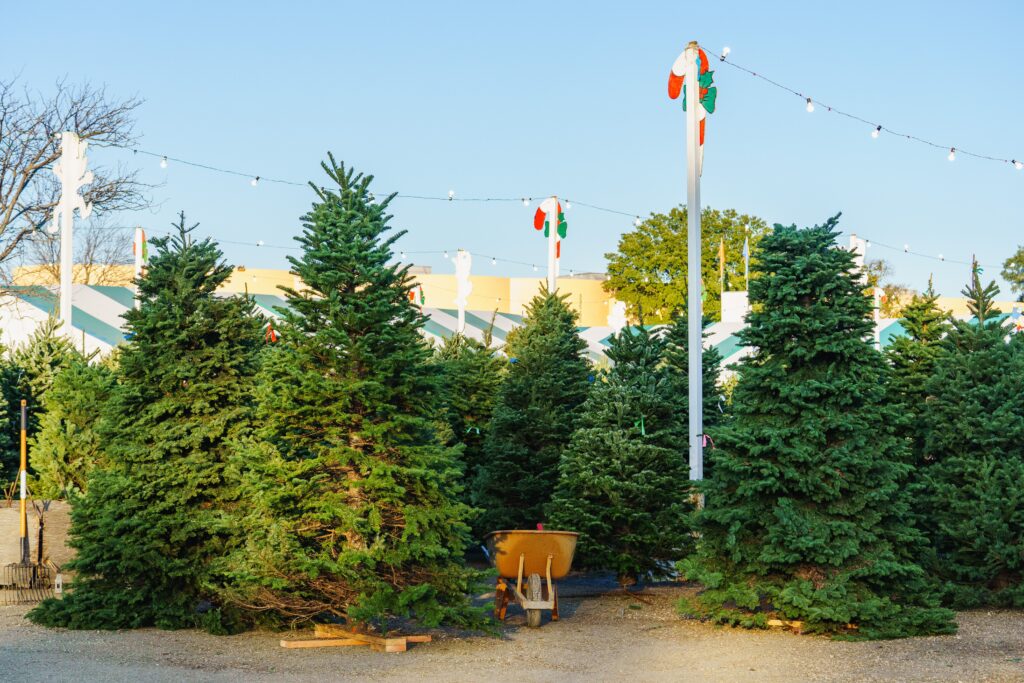
The decorated indoor tree is German. By 1605, people in Strasbourg were bringing fir trees inside and hanging them with apples. Candles on the branches appear soon after. The custom stayed mostly German until the 1840s, when papers showed Queen Victoria and Prince Albert around a tree at Windsor. Long before the tree, Christians used evergreen as a picture of a life that does not end in winter.

Candy Canes
The candy cane begins in Germany around 1670 as a plain white sugar stick. A choirmaster in Cologne is often credited with bending the sticks into a shepherd’s crook so children could eat them quietly during a long Christmas service. The red stripes, the peppermint, and the later sermon attached to the cane are mostly American and not part of the original story. The oldest true thing is simpler: a small sweetness, shaped like the staff of the shepherds who came first.
Carols
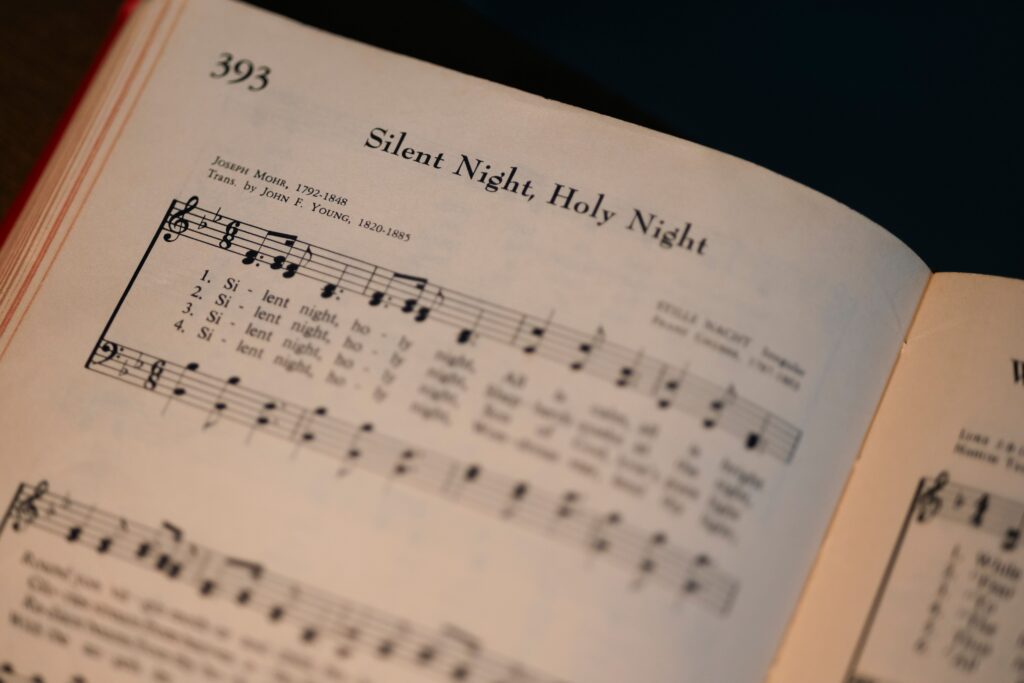
Carol once meant a ring-dance song. By the late Middle Ages, towns were singing Christmas songs in the street, not only in Latin inside the church. Some of that was pushed out after the Reformation. The songs came back in the 1800s, collected and printed. A carol is the story set to a tune ordinary people can carry home.
The Nativity Scene
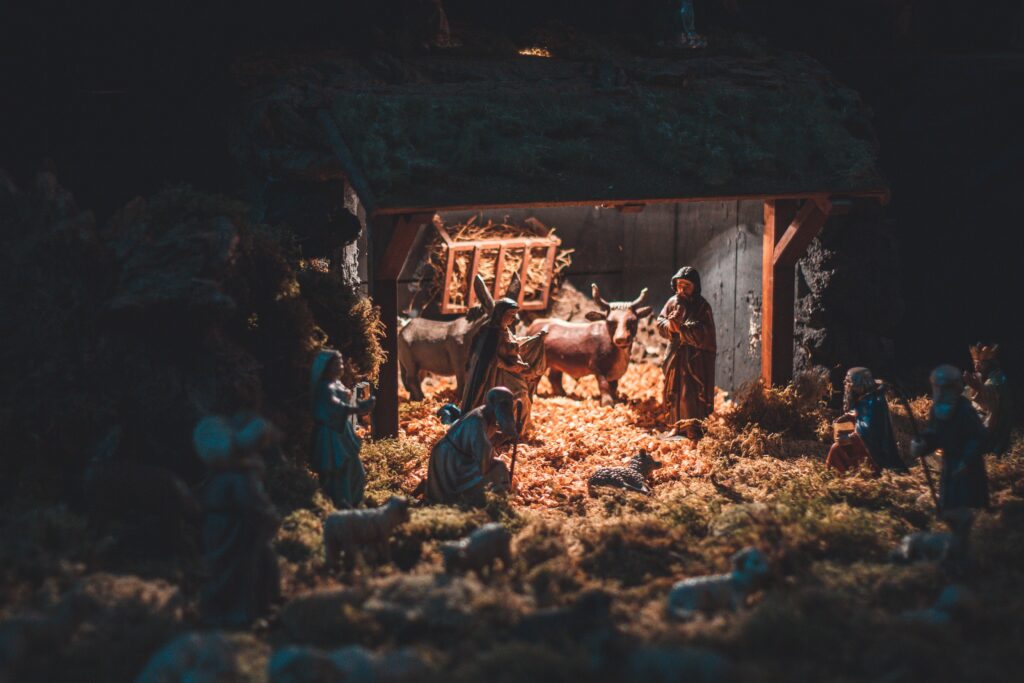
In 1223, Francis of Assisi set up a living nativity in a cave at Greccio, Italy: hay, an ox, a donkey, and the story read aloud over them. He wanted people to see the poverty and the nearness, not only hear it. A walk you can stand inside is in that line.

December 25
The Bible does not give a date for the birth. The first clear record of the church in Rome keeping December 25 is from AD 336. The date sits near older winter festivals, and Christians have long discussed why that day was chosen. The church’s claim was never that we know the calendar day. The claim is that the Word became flesh.
Scripture tags: John 1:14

Poinsettias
The plant is native to Mexico, where the Aztecs called it cuetlaxochitl and used it for dye. Spanish missionaries in the 1500s and 1600s began using its red and green in Christmas nativity scenes and called it flor de nochebuena, flower of the holy night. A Mexican legend tells of a child who had nothing to bring the Christ child and offered weeds, which became the red flower. In the 1820s the American diplomat Joel Roberts Poinsett sent cuttings home to South Carolina, and the plant took his name. The star-shaped bracts have long been read as an echo of the star over Bethlehem.

Lighting Candles
Lighting candles in the dark weeks before Christmas grew into the Advent wreath. In 1839, German Lutheran pastor Johann Hinrich Wichern made a wooden ring with candles for the children at his mission school in Hamburg, so they could count the days until Christmas. The custom simplified to four candles, one for each Sunday of Advent, sometimes with a white Christ candle in the center. The light is the point. Isaiah said the people walking in darkness would see a great light. Jesus called himself the light of the world.
Scripture tags: Isaiah 9:2 · John 8:12
Not as a guest who has to find the right room. As a person God already came looking for.